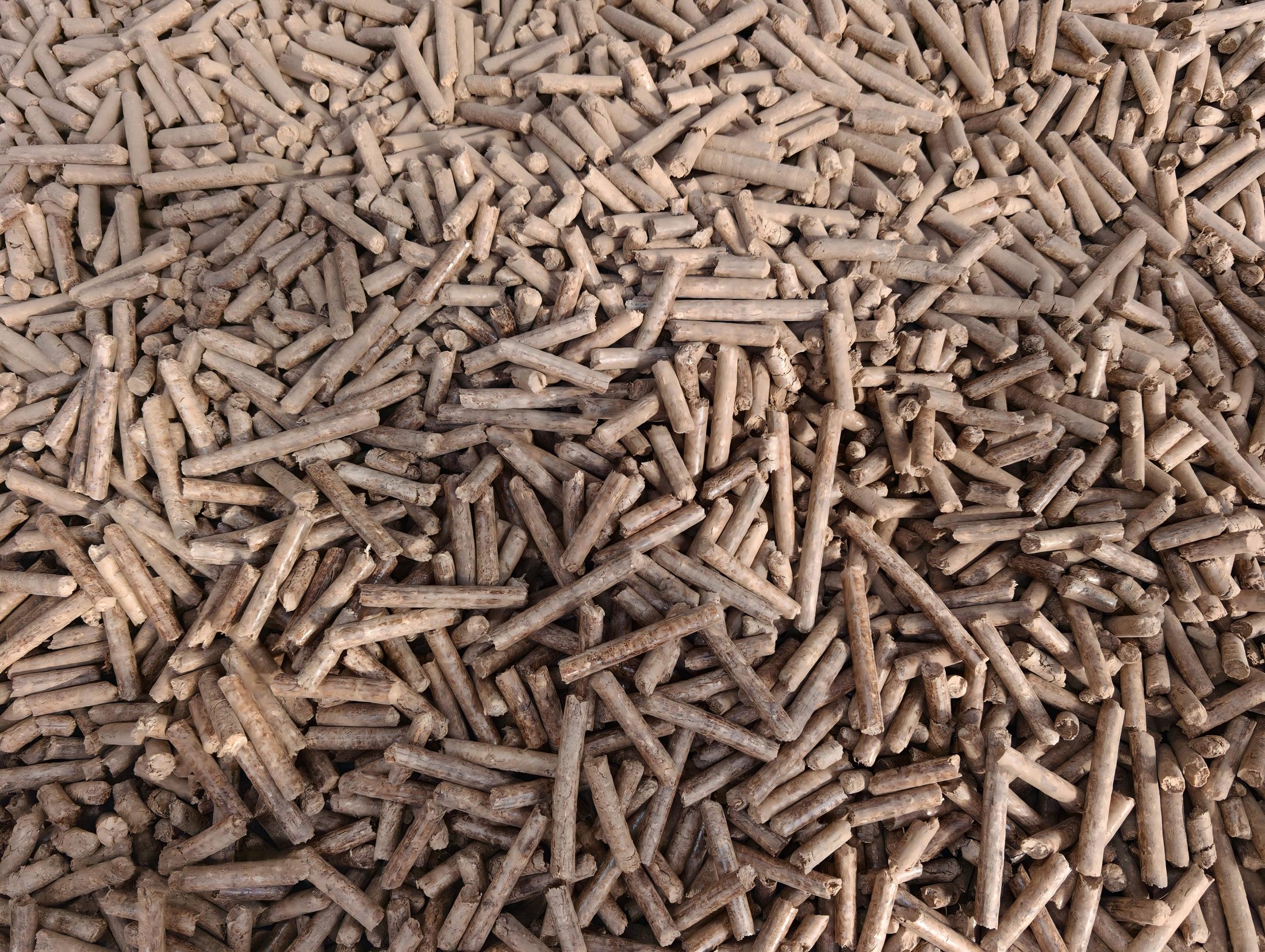
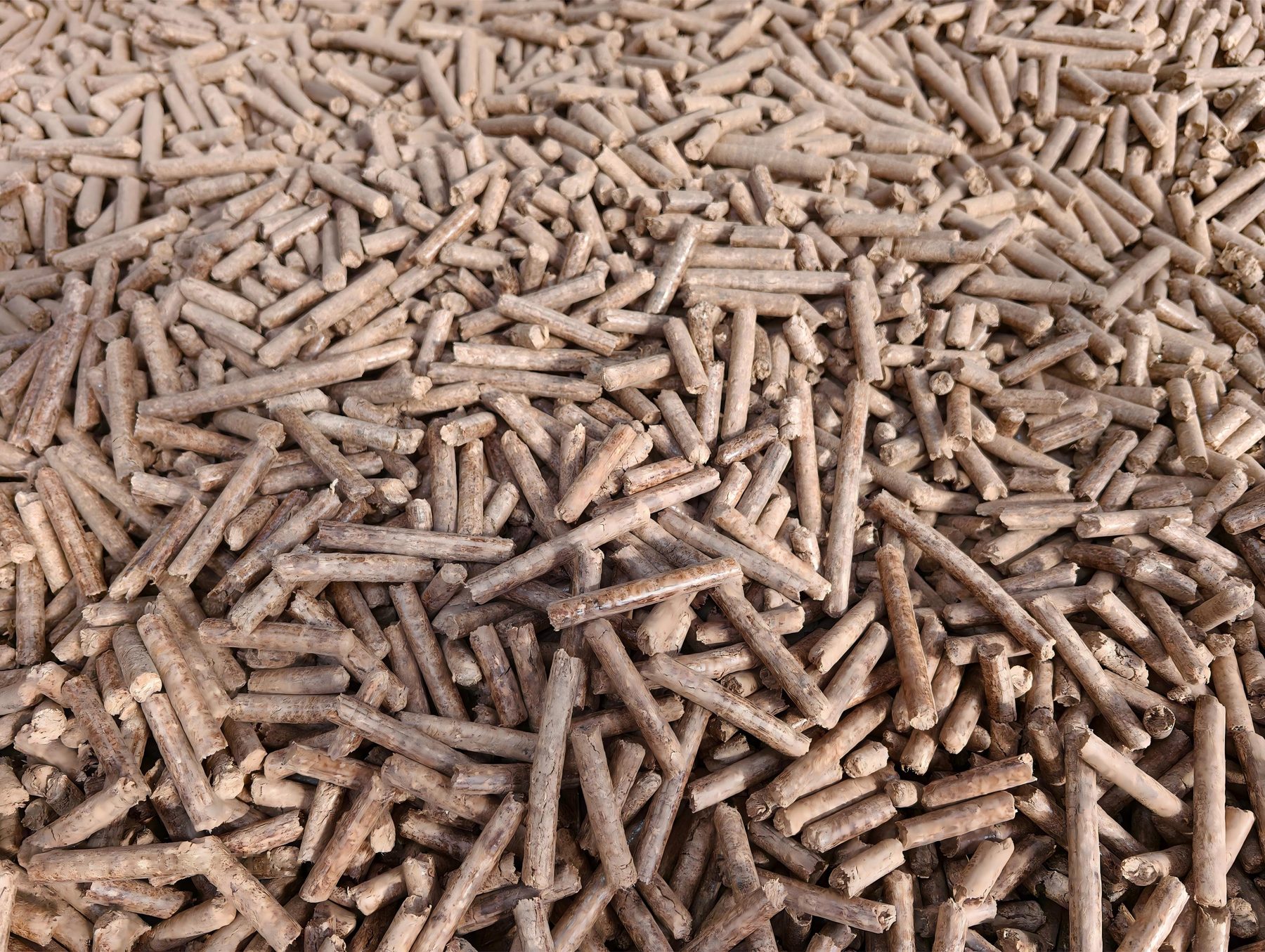
Rubberwood biomass pellets are compressed fuel pellets made from rubberwood, a plantation timber grown in tropical and subtropical regions. Rubberwood becomes available after managed rubber trees complete their latex-producing cycle, making it a practical example of turning an economic-forest resource into additional value.
Why rubberwood works as a fuel
Buyers often choose rubberwood because of its useful energy density. When processed into clean, dry pellets, rubberwood can support high calorific value compared with many mixed-wood residues. Controlled drying and compression are important: a well-made pellet carries less water into the combustion chamber and produces a denser, more uniform fuel.
In Yinuoda's Grade A specification, rubberwood pellets are published at 18.5 MJ/kg calorific value, 4.5% total moisture, and 1.4% ash content. Those numbers matter because moisture consumes heat during evaporation and ash creates maintenance and handling work.
Where the feedstock comes from
Rubberwood used by Yinuoda comes from managed artificial economic forests and associated processing residues in Hainan. The production approach does not involve logging natural forests. For procurement teams, that distinction can simplify due diligence and support market-specific sustainability requirements.
Procurement takeaway
Ask the supplier to state the tree species, feedstock origin, moisture, ash, and calorific value in the same specification sheet. A vague "wood pellet" claim is harder to compare.
Typical applications
Rubberwood pellets are used in industrial boilers, steam systems, central heating, and commercial pellet burners. They are particularly interesting when the operator wants high energy density and low ash from a uniform fuel.
The best fit still depends on the boiler. Combustion settings, fuel feed systems, and ash-removal equipment differ from plant to plant, so buyers should validate the pellet specification against their actual operating limits rather than choosing by price alone.