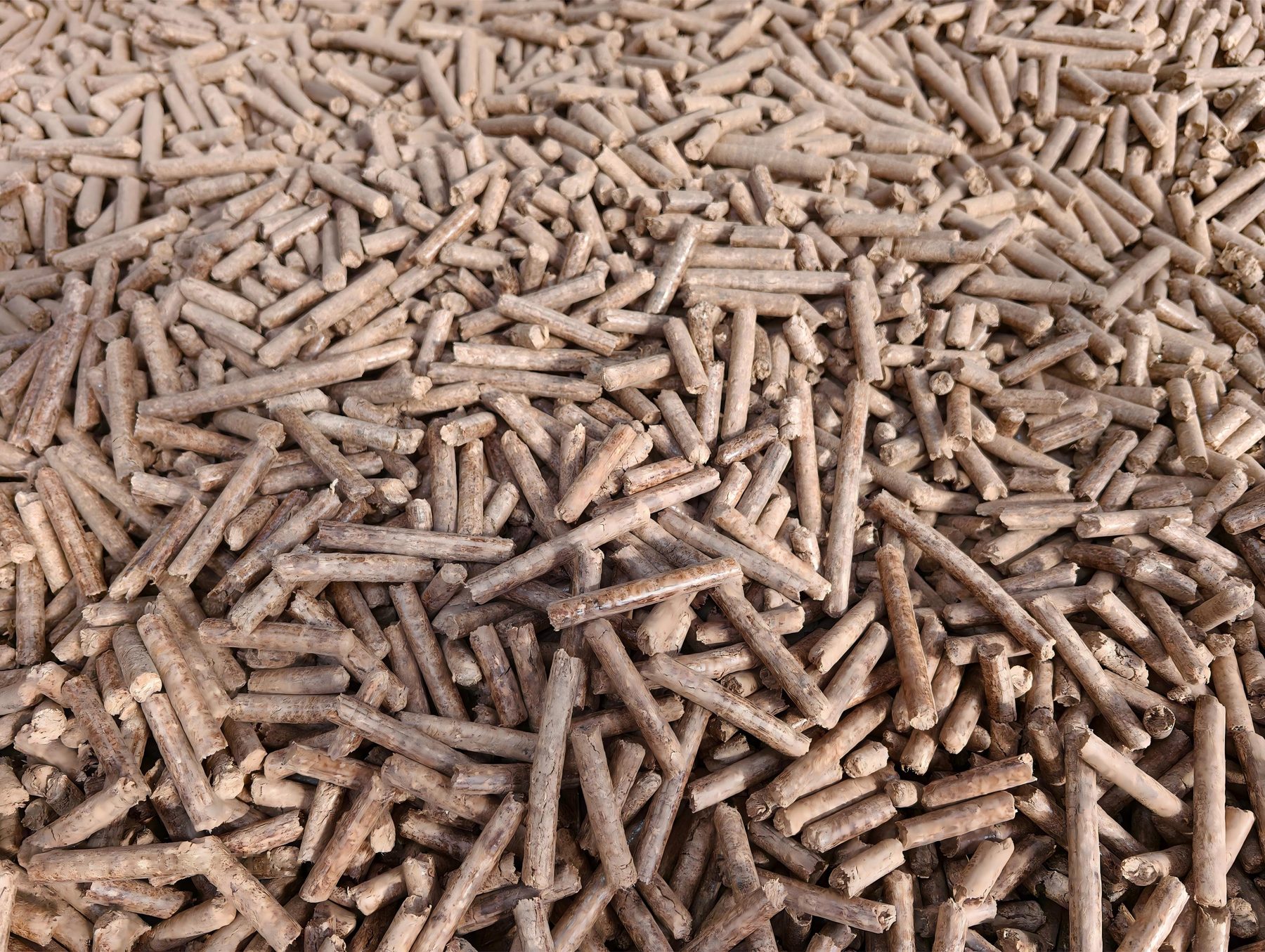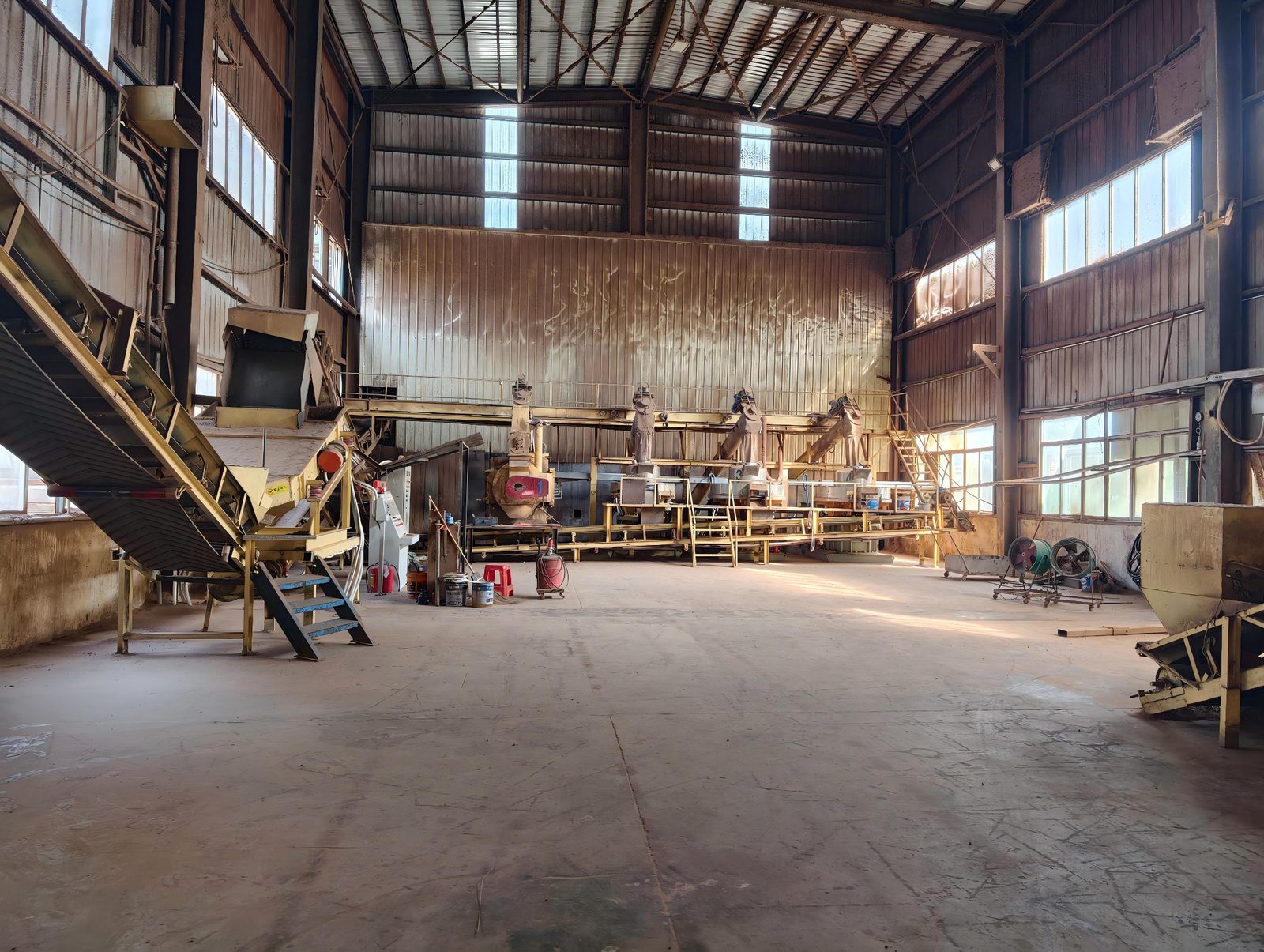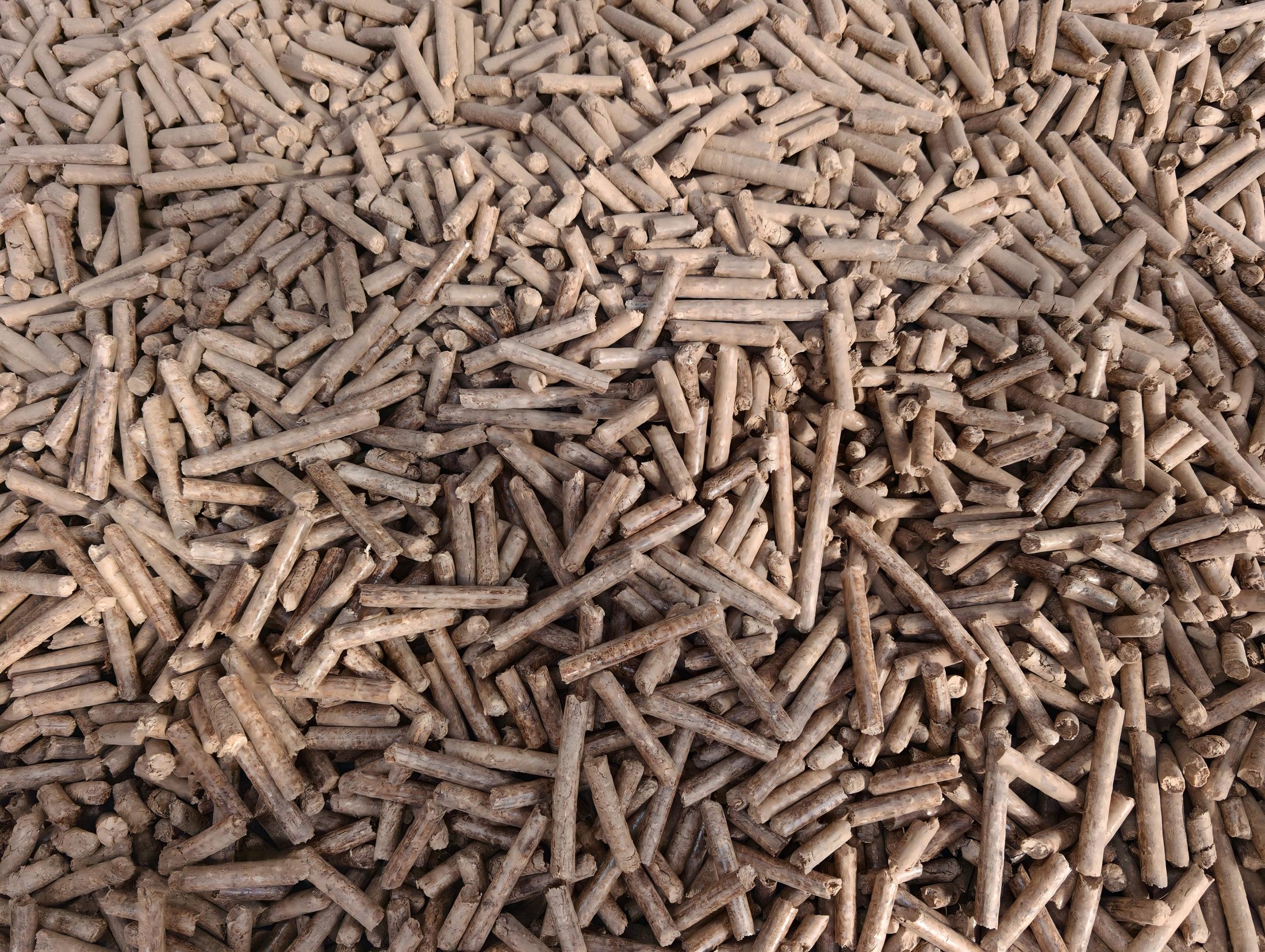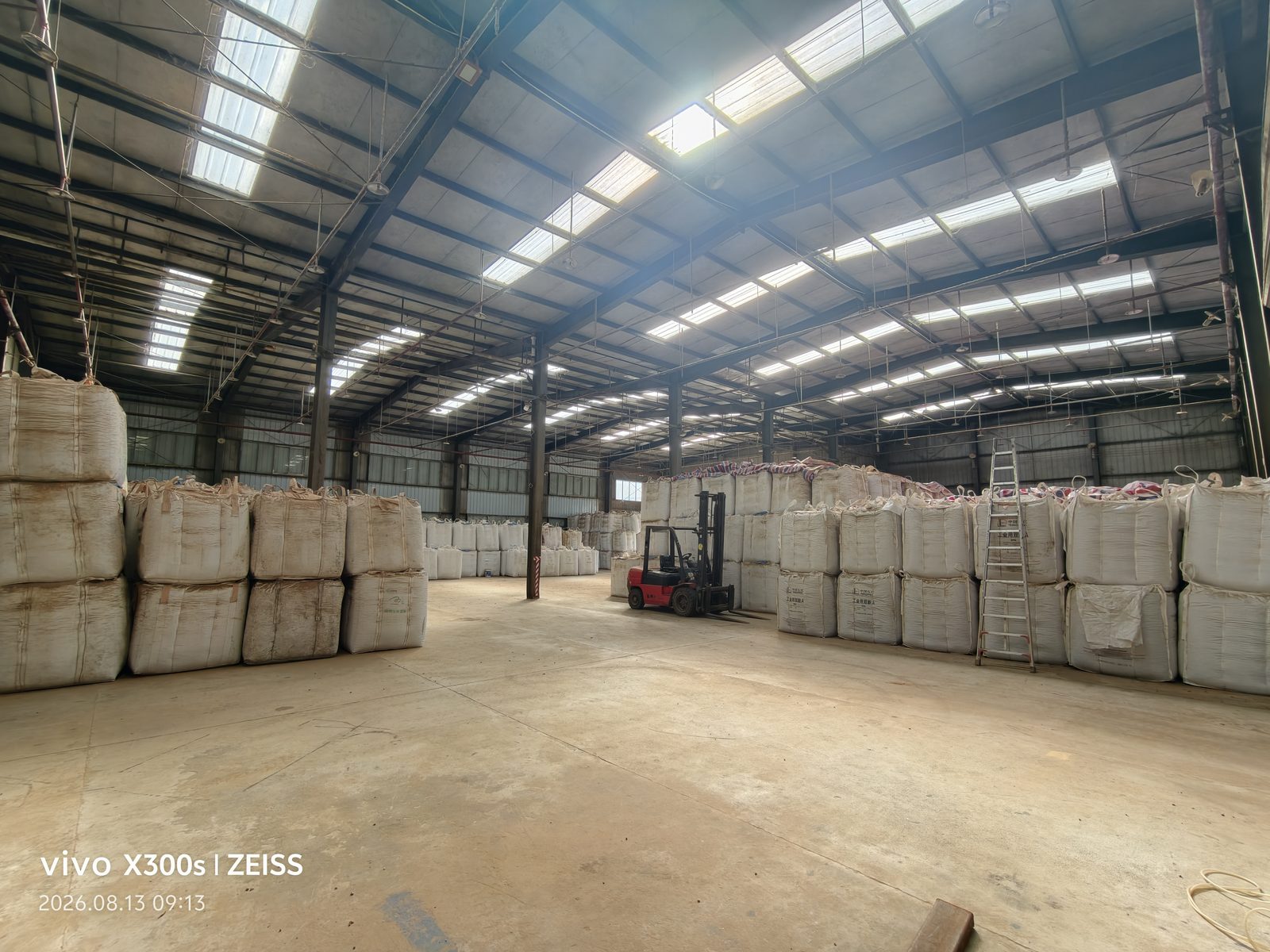
Biomass pellets and wood chips can both fire industrial boilers, but they solve different operational problems. Pellets are compressed, uniform, and easy to meter. Chips are lower-cost to produce in some supply chains but more sensitive to moisture, sizing, and storage conditions.
Energy density and logistics
Pellets are denser than loose wood chips. That means more usable energy per unit of transport and storage volume, which can reduce the physical footprint and improve handling in automated feed systems. Pellets also flow consistently, making them a good match for combustion systems that rely on steady metering.
Wood chips can be attractive for very large plants with their own fuel yard and less sensitivity to occasional variability. The savings, however, depend on local feedstock cost and whether the operator can manage moisture and particle size.
Moisture and combustion
High moisture is one of the main reasons solid biomass underperforms expectations. Water in the fuel absorbs heat during evaporation, lowering the useful energy available to the boiler. Pellets are typically dried to a controlled moisture level before compression. Wood chips may arrive with much wider moisture variation unless the buyer has a drying step or a committed specification.
Handling and storage
Pellets produce a smaller, more uniform storage profile and can be moved through standard conveying equipment. They should still be stored dry and protected from fines, but the fuel itself is far more standardized than green chips.
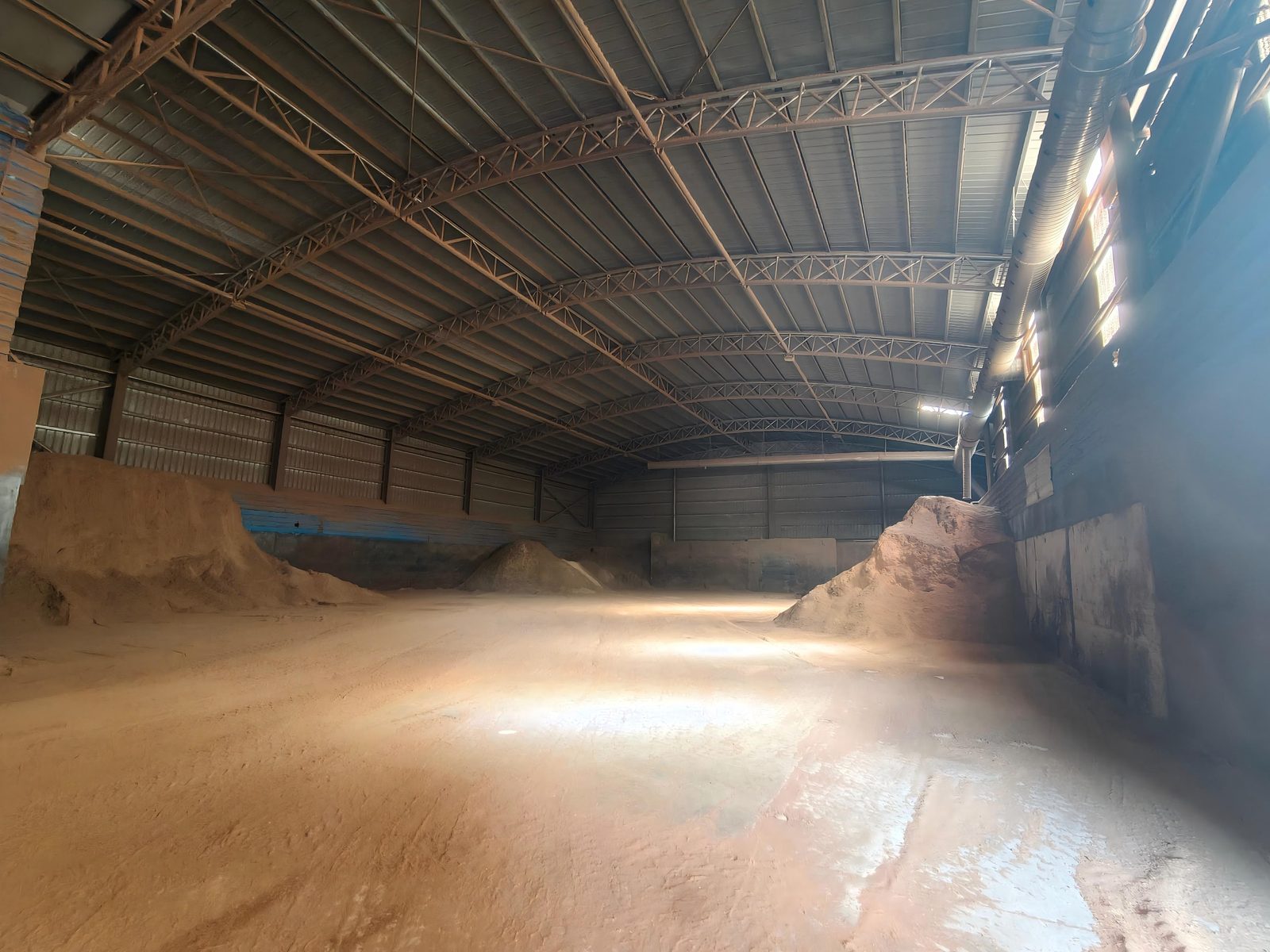
Chips can bridge in hoppers, degrade in long-term storage, and carry more dust or oversized pieces. These are manageable issues, but they require more site-side control.
Which is better?
There is no universal winner. For many industrial boilers, pellets offer better combustion consistency and easier logistics. For a very large plant with cheap local biomass and robust fuel handling, chips may make economic sense.
How to decide
Start with boiler requirements, then compare delivered cost per usable gigajoule rather than cost per ton. Include moisture, ash, storage losses, feed-system compatibility, and maintenance. A slightly more expensive pellet can be cheaper overall when the boiler runs more predictably and requires less operator intervention.