
Raw material intake
Incoming plantation residues and timber are reviewed before entering the production process.
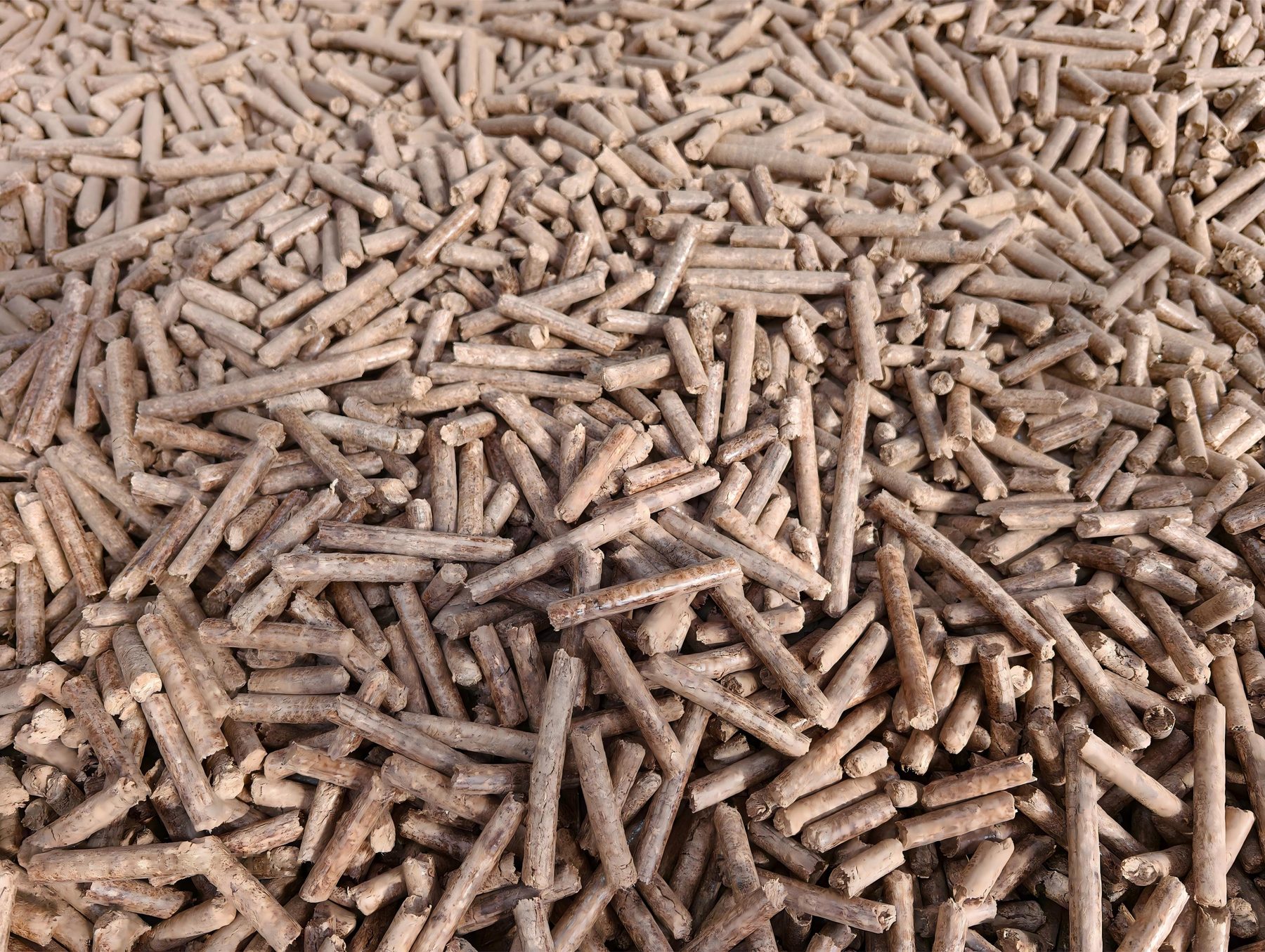
Quality begins with the incoming feedstock and continues through drying, pelletizing, screening, and final product checks.
Each stage affects the final fuel. Managing the full process in-house makes it possible to monitor and correct variation before it reaches the finished product.
Incoming plantation residues and timber are reviewed before entering the production process.
Drying is controlled because excess moisture reduces useful heat and creates handling issues.
Crushing and grinding prepare a consistent particle size before pellet formation.
Compression is managed to produce durable, dense pellets that hold together through handling.
Finished pellets are cooled and screened to remove excess fines before storage and packaging.
Specification and origin details can be reviewed and confirmed for the destination market.
The table below is the same grade comparison used across Yinuoda's product catalog. Contract specifications are confirmed for each order.
| Parameter | Grade A | Grade B | Grade C |
|---|---|---|---|
| Raw material | Rubberwood | Rubberwood, eucalyptus, mixed timber | Rubberwood, mixed timber, forestry residues |
| Diameter | 8 mm | 8 mm | 8 mm |
| Calorific value | 18.5 MJ/kg | 17.07 MJ/kg | 15.75 MJ/kg |
| Total moisture | 4.5% | 4.3% | 8.6% |
| Ash content | 1.4% | 2.27% | 5.4% |
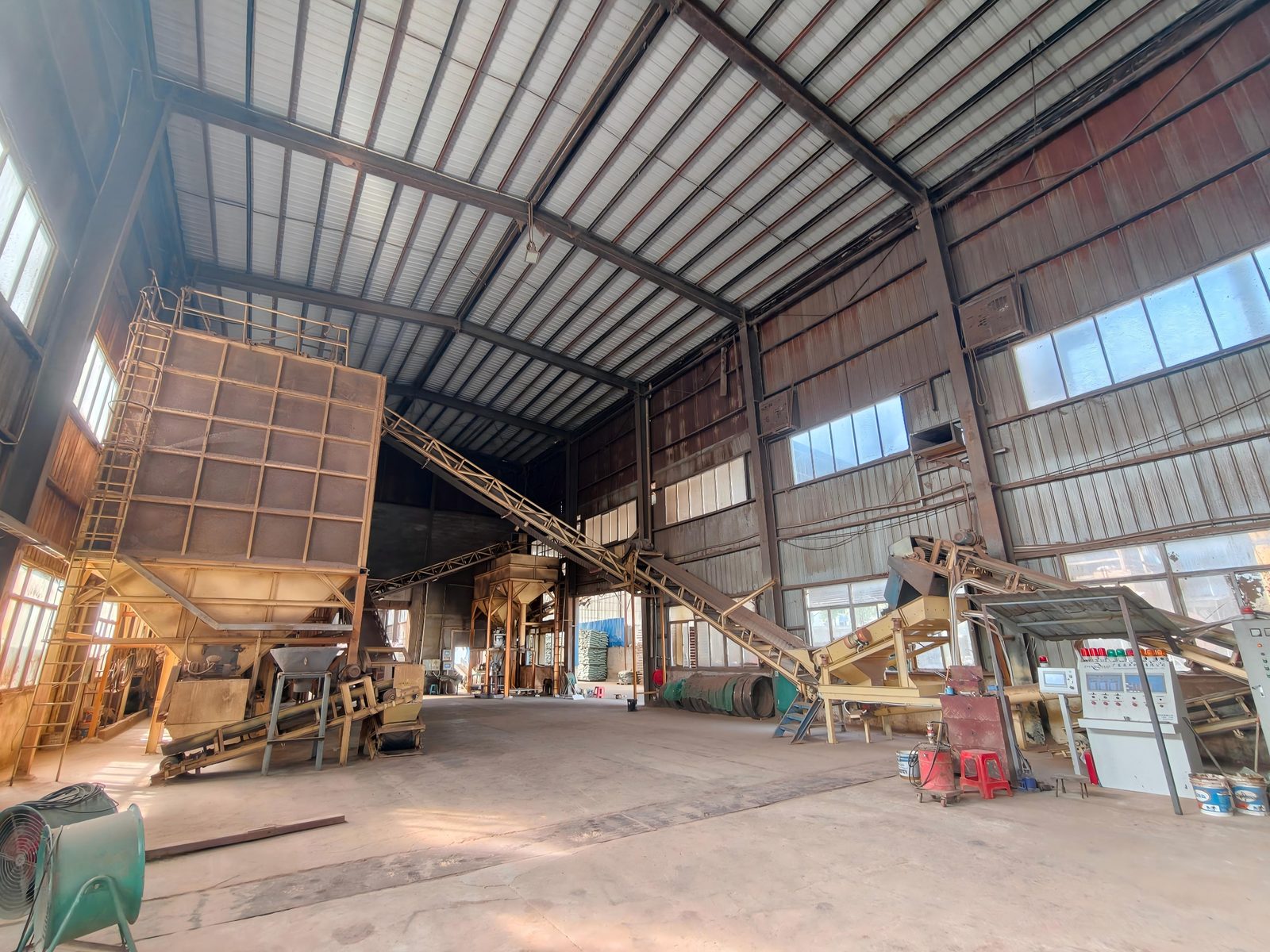
Finished product packaging area
Different regions expect different evidence. Yinuoda can discuss ENplus, FSC, and FIT/FIP-aligned certification support based on the destination market and buyer requirements.
For a serious procurement evaluation, ask for the exact documentation set your market requires: specification sheet, origin statement, sampling evidence, and any standard-specific data.
Request a Specification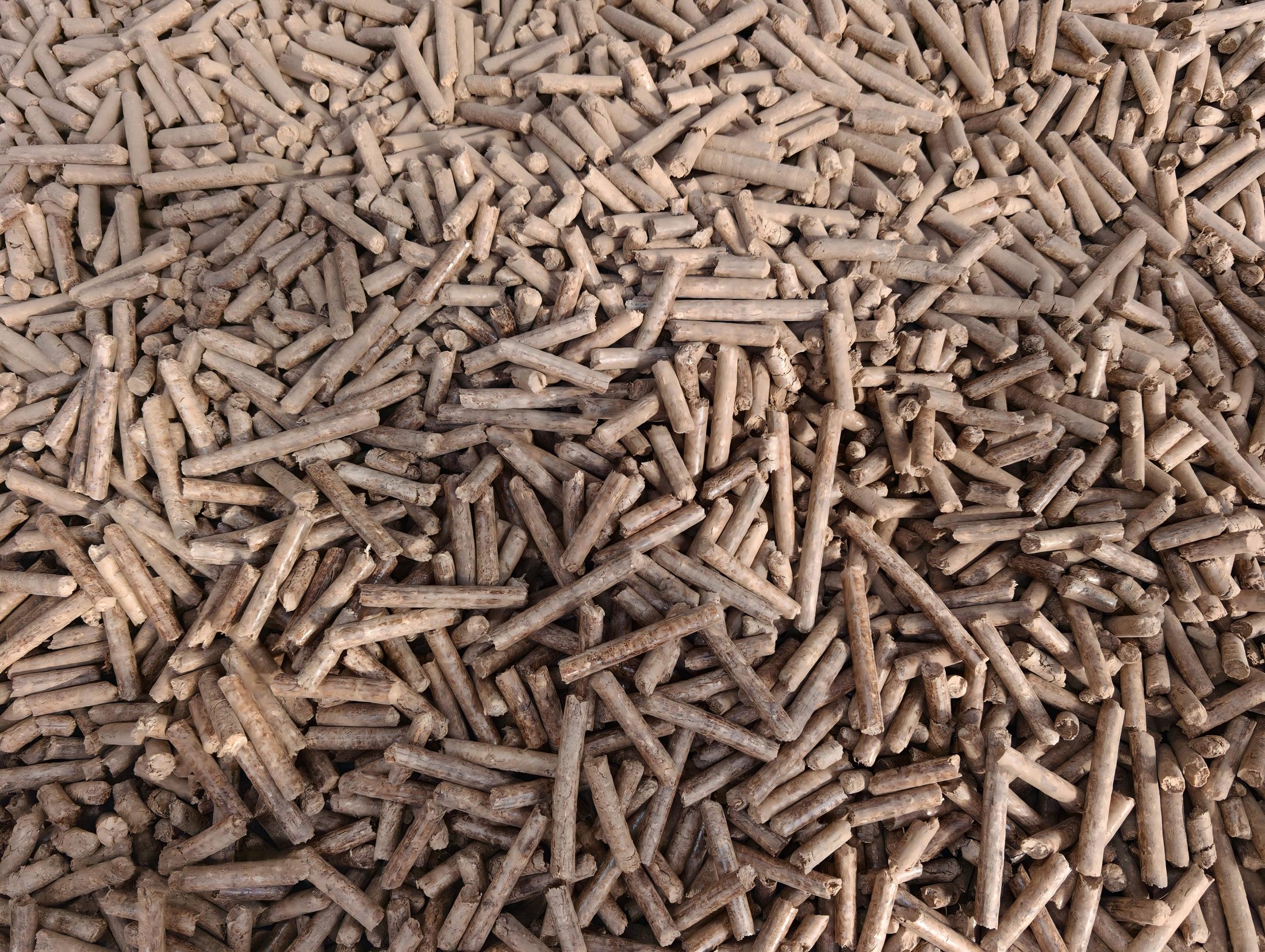
Tell us your acceptable moisture, ash, calorific value, and certification requirements. We can confirm whether a specific grade fits your contract.